

Key Takeaways
- An open-plan home design enhances natural light and creates a sense of spaciousness.
- This approach encourages social interaction and supports flexible, multi-functional spaces that can adapt to evolving needs.
- Potential challenges include reduced privacy as well as increased noise and clutter visibility.
- Design strategies such as zoning with furniture and lighting, smart storage, and layered materials can help define spaces while maintaining a cohesive look.
What Is an Open-Concept Home
An open-concept home brings key living areas together by minimising interior walls and creating a continuous flow between spaces. Instead of separating the living, dining, and kitchen zones, the layout allows them to sit side by side, making the entire home feel more connected. This approach is popular among Singapore homeowners who appreciate how it enhances natural light, encourages interaction, and makes compact layouts feel more expansive. With proper planning, an open-concept home offers flexibility for modern living and sets the stage for a more practical look at open layouts in everyday use.
A Practical Look at Open Layouts
In Singapore’s compact living environments, open-concept design has become a go-to solution for maximising both light and space. Known for its fluidity, spatial openness, and contemporary appeal, this modern home layout has transformed how we experience the spaces we live in. But before you commit to major renovations or Addition and Alteration (A&A) works, it’s important to consider whether an open setup is right for your home. Let’s find out.
Understanding the Pros of an Open-Concept Home

An open-concept layout appeals to many Singapore homeowners because it brings together light, airiness, and everyday practicality. Below is a closer look at the benefits of an open-concept home design and how it can transform compact spaces into warm, functional environments.
Maximising Limited Space
Removing interior walls instantly opens up the room, making even smaller homes feel larger and less confined. Clear sightlines, continuous flooring, and unified colour palettes help the space stretch visually, giving homeowners more flexibility in how they use each corner.
Enhanced Natural Light
With fewer partitions blocking sunlight, natural light travels further across the home. This brightens the interior throughout the day and creates a welcoming atmosphere, which is especially valuable in compact apartments where every bit of illumination counts.
Fostering Social Interaction
An open layout brings daily activities into a shared environment, making it easier for family members to stay connected. Cooking, dining, working, and relaxing happen within the same visual field, encouraging casual conversations and togetherness.
Modern Aesthetic Appeal
Open layouts support clean lines, airy arrangements, and cohesive styling. The look feels contemporary without being overwhelming, giving homeowners a stylish foundation that pairs well with various interior themes.
wImproving Airflow and Ventilation
The absence of walls allows air to circulate more freely. This helps the home stay fresh and well-ventilated, which can be particularly helpful in warm, humid climates.
Flexibility in Furniture Arrangement
With fewer structural barriers, homeowners can easily reconfigure furniture to suit different needs. It becomes simpler to introduce multi-purpose zones, shift layouts for gatherings, or accommodate lifestyle changes over time.
Ideal for Entertaining Guests
An open-concept layout makes hosting more enjoyable. Guests can move comfortably between the living, dining, and kitchen areas, while the host can stay engaged without being tucked away in a separate room.
Understanding the Cons of an Open-Concept Home
While open layouts offer many advantages, they also come with practical considerations that homeowners should understand before committing to major renovations. The cons of open-concept home designs often revolve around comfort, maintenance, and privacy, and recognising these early can help you plan a layout that truly suits your lifestyle. Below are some common drawbacks of open-concept home living.
Challenges with Temperature Control
A large, continuous space can make it harder to regulate temperature evenly. Air conditioning may need to work harder to cool the entire area, and certain corners may warm up faster than others, especially during humid afternoons.
Difficulties Defining Interior Style
Without walls to mark visual boundaries, it can be challenging to establish distinct design zones. Homeowners may find it trickier to style the space cohesively, as furniture, colours, and décor need to work harmoniously from every angle.
Noise Transfer and Reduced Privacy
Every sound carries more easily in an open layout. The clatter of cooking, conversations, or entertainment can travel across the home, leaving fewer quiet corners for work or rest. Privacy also becomes limited, since there are fewer enclosed spaces.
Odour and Mess Visibility
Cooking smells, kitchen activity, and daily clutter become more noticeable when the kitchen and living areas share the same environment. This can be inconvenient for households that cook frequently or prefer a visually tidy space.
Clutter Management Becomes More Important
Open spaces tend to highlight mess quickly. Without walls to shield storage zones or worktops, homeowners need to maintain tidiness consistently to keep the home looking well-organised.
May Not Suit All Lifestyles
Some families prefer defined rooms for study, work, or relaxation. Those who value separation, quiet spaces, or strong visual boundaries may feel that an open concept layout does not fully support their daily routines.
Is an Open-Concept Home the Right Choice for You?
Choosing an open-concept home comes down to how you use your space and the level of privacy you need day to day. While the layout offers openness, light, and fluid movement, it may not suit every lifestyle or family dynamic. Households that value quiet corners or defined rooms for work, study, or rest may find the free-flowing arrangement less comfortable over time. Noise, visual activity, and daily clutter also become more noticeable when everything is within one shared space. Reflecting on how you live, interact, and unwind will help you decide whether an open-concept layout truly supports how your household functions.
How to Make Open-Concept Living Work for You
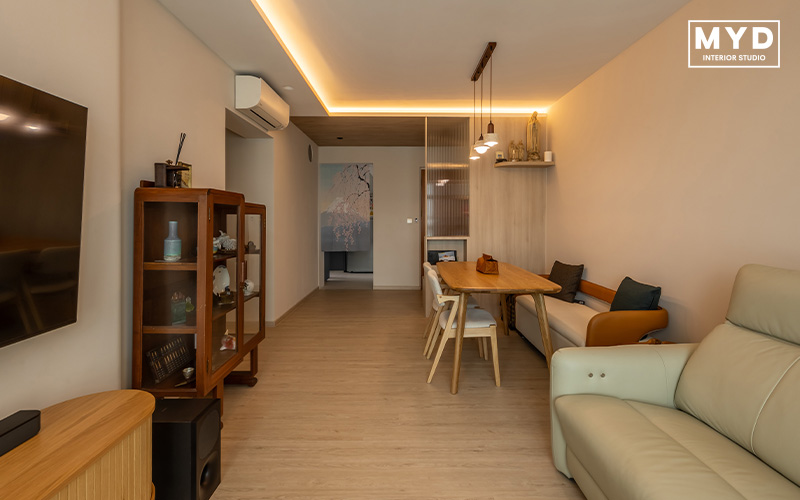
If you’re drawn to the versatility of an open layout but the potential drawbacks give you pause, you’re not alone. The good news is that with careful planning, this design approach can create a home that’s both visually beautiful and highly functional.
Here are three expert strategies to follow:
1. Create Invisible Boundaries With Intentional Design
Open-concept does not mean undefined. Establish clear zones through thoughtful use of layout and visual cues. For example, align your sofa and rug to frame a distinct living area, or suspend a pendant light to anchor the dining space. These subtle boundaries maintain flow while still giving each area its own sense of purpose, helping the space feel organised and intentional.
2. Elevate Storage Beyond Utility
In an open layout, storage is no longer tucked away—it becomes part of the visual landscape. Consider full-height cabinetry with clean lines, kitchen islands with integrated drawers, or bespoke media walls that double as shelving. When designed with care, storage solutions not only hide clutter but also help to elevate the overall aesthetic.
3. Use Materiality and Texture to Add Sophistication
Without walls to break things up, surfaces and materials play a crucial role. Contrast sleek finishes with warm timber, soft upholstery with polished stone, or matte textures with reflective glass. These combinations are great for creating depth and visual richness, allowing each zone to feel layered and connected.
Making the Right Choice for Your Home
Understanding the pros and cons of open-concept homes helps you make a decision that supports both your lifestyle and long-term comfort. Open layouts can feel spacious and inviting, but they also come with practical considerations that vary from household to household. If you are unsure about whether this approach suits your space, engaging an experienced interior design consultancy in Singapore can offer valuable clarity and guidance.
At MYD Interior Studio, we combine creative direction with practical experience to help homeowners design spaces that feel cohesive and purposeful. Whether you are planning a full renovation or refreshing a familiar layout, our team offers guidance tailored to both compact HDB flats and larger landed properties.
Get in touch with us today and let us help you shape a home that truly fits your way of living
Frequently Asked Questions
What is an open-concept home?
An open-concept home features a shared layout in which the living, dining, and kitchen areas flow together without interior walls. This creates a brighter, more connected environment. Many homeowners enjoy how it makes compact spaces feel larger and more welcoming.
Is an open-concept home suitable for small apartments or HDB flats?
Yes, an open-concept home can work very well in smaller layouts because it removes visual barriers and lets natural light travel farther. This can make an HDB or compact condo feel more open and airy with thoughtful space planning.
What are the common challenges of an open concept home?
Some challenges include noise transfer, reduced privacy, and the need to maintain tidiness since clutter is more visible. The absence of walls means daily activity becomes more noticeable, which may not suit every lifestyle.
How can I improve privacy in an open concept home?
Privacy can be created using sliding screens, half partitions, glass dividers, or strategic furniture placement. These solutions help form semi-private corners while keeping the overall layout open and connected.
Does an open layout affect renovation costs?
Renovation costs can vary depending on the amount of hacking, structural changes, and new flooring required. While removing walls may increase initial costs, the improved functionality and spaciousness often make the investment worthwhile for many homeowners.
What should I consider before choosing an open-concept home?
Think about your lifestyle, daily routines, and how much privacy or noise control you need. Families with young children, pets, or multiple working adults may prefer areas with enclosed spaces. Evaluating these factors will help you decide whether an open-concept layout is the right fit.