
Key Takeaways
- Wabi sabi design brings calm and authenticity into the home office, encouraging focus through simplicity and natural materials.
- Natural light, organic textures, and handcrafted elements help create a workspace that feels both productive and peaceful.
- Compact furniture, soft fabrics, and neutral tones allow a home office to blend seamlessly into bedrooms or shared spaces.
- A wabi sabi-inspired workspace promotes mindfulness, comfort, and balance, turning everyday routines into moments of quiet inspiration.
Understanding the Philosophy of Wabi Sabi
Rooted in ancient Japanese culture, Wabi Sabi celebrates imperfection, simplicity, and the quiet beauty found in natural materials. This philosophy embraces the passage of time—appreciating worn textures, organic irregularities, and understated elegance as reflections of authenticity. In the context of wabi sabi interior design in Singapore, this approach translates into spaces that feel calm, grounded, and deeply personal. Rather than striving for perfection, it focuses on balance and serenity, allowing design to express the essence of everyday living through honest materials and mindful composition.
Creating a Grounded Home Office Space

Maximise Natural Light to Lift Your Mood
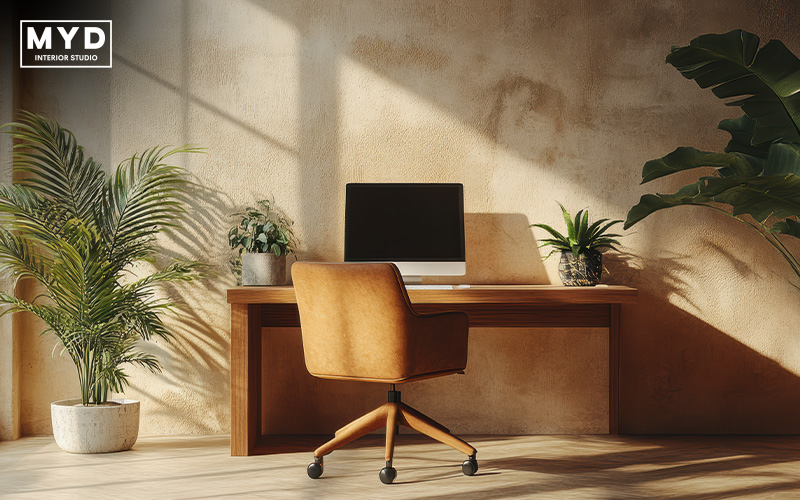
Natural light is one of the main features of a workspace inspired by wabi sabi interior design. Position your desk near a window where daylight can filter gently into the room. Soft light creates a sense of openness and calm, helping you stay alert without the strain of artificial glare. Warm-toned lamps with linen or paper shades can complement the space once the sun sets, maintaining a serene glow that encourages mindful work.
Choose Simple, Honest Materials
A wabi sabi home office celebrates authenticity in every texture and detail. Instead of sleek finishes, opt for raw wood, rattan, or clay-based materials that reveal their natural imperfections. The small irregularities in a handmade mug or the grain of a wooden tabletop remind you of craftsmanship and connection—qualities that bring warmth into a modern workspace.
Integrate Biophilic and Natural Touches
Bringing nature indoors enhances tranquillity and concentration. A few leafy plants, a ceramic vase, or a woven basket can soften harder surfaces and make the room feel more grounded. These biophilic accents not only complement the textures central to wabi sabi interior design, but also improve air quality and visual balance.
For those planning an HDB interior design project, natural accents like stone textures, bamboo, and linen fit beautifully in compact areas, allowing you to achieve both function and calm within limited space.
Balance Functionality with Flow
Practicality and serenity can coexist. Choose ergonomic furniture that supports long hours of work while blending seamlessly into your aesthetic. Neutral tones such as beige, cream, and muted grey foster a sense of harmony, while decluttered surfaces help maintain focus. The goal is not perfection but quiet purpose, a space that serves your needs while encouraging ease.
Blending Simplicity with Comfort in Shared Spaces

Design a Workspace That Flows Naturally
In homes where the office shares space with a bedroom or living area, avoid rigid separations. Instead, use natural flow to define zones. A rug made from jute, a low divider shelf, or a small indoor plant arrangement can subtly distinguish your work corner without breaking visual unity.
Shared spaces are common amongst compact homes, including smaller condo units. In this context, it is important to incorporate these elements into your condominium interior design to help maintain continuity between different areas of your home. This keeps the overall atmosphere relaxed and cohesive.
Keep the Setup Compact and Mindful
For smaller homes, compact furniture ensures the workspace remains unobtrusive. A floating desk or ladder-style shelf offers functionality while preserving openness. To avoid visual clutter, store only the essentials within reach. A few carefully chosen accessories, such as a ceramic pen holder or woven storage basket, can express personality whilst aligning with the understated beauty of wabi sabi interior design.
Soften the Space with Textures and Layers
To preserve comfort in shared environments, layer natural fabrics and tactile elements. Light linen curtains, cotton throws, and soft rugs absorb sound and add warmth. These materials complement wooden tones, helping the room feel restful even when work tasks demand focus.
Incorporating these calming textures throughout the home could ensure that your workspace and living areas remain harmonised through consistent design cues.
Bringing Wabi Sabi Design Into Everyday Living
Whether you’re styling a new home or updating a workspace, wabi sabi interior design encourages a more mindful way of living—one that values simplicity, balance, and authenticity. By embracing natural materials, muted tones, and organic imperfections, your space becomes a reflection of calm and quiet confidence.
At MYD Interior Studio, we design homes that embody this philosophy through purposeful layouts and refined details. Our team combines aesthetic sensitivity with practical design thinking to create interiors that feel effortlessly elegant and deeply personal. For homeowners seeking interior renovation services in Singapore, we offer customised solutions that align beauty with functionality, turning every project into a tranquil sanctuary you can truly call home.
Frequently Asked Questions
1. What is wabi sabi interior design?
Wabi sabi interior design is a Japanese-inspired aesthetic that embraces simplicity, imperfection, and natural beauty. It focuses on authentic materials, muted tones, and the graceful ageing of objects to create calm and harmonious living spaces.
2. How can I apply wabi sabi principles to my home office?
Start by reducing clutter and using natural materials such as wood, linen, or clay. Choose neutral colours and minimal furnishings that promote focus and mindfulness—key principles of wabi sabi interior design.
3. What colours work best for a wabi sabi-inspired space?
Muted, earthy hues like beige, taupe, grey, and soft green are ideal. These tones reflect tranquillity and help create an environment that feels grounded and peaceful.
4. Is wabi sabi suitable for small apartments in Singapore?
Yes, wabi sabi interior design concepts work beautifully in compact homes in Singapore. The emphasis on simplicity and natural light helps small spaces feel open, calm, and free from unnecessary distractions.
5. What materials define wabi sabi interiors?
Natural materials with texture and character, such as wood, stone, linen, and rattan, reflect the philosophy’s focus on imperfection and authenticity. These elements lend warmth and timeless appeal to modern homes.
6. How is wabi sabi different from minimalism?
Both styles share simplicity, but minimalism prioritises clean perfection while wabi sabi values organic irregularities and lived-in beauty. It’s less about precision and more about finding harmony in imperfection.